
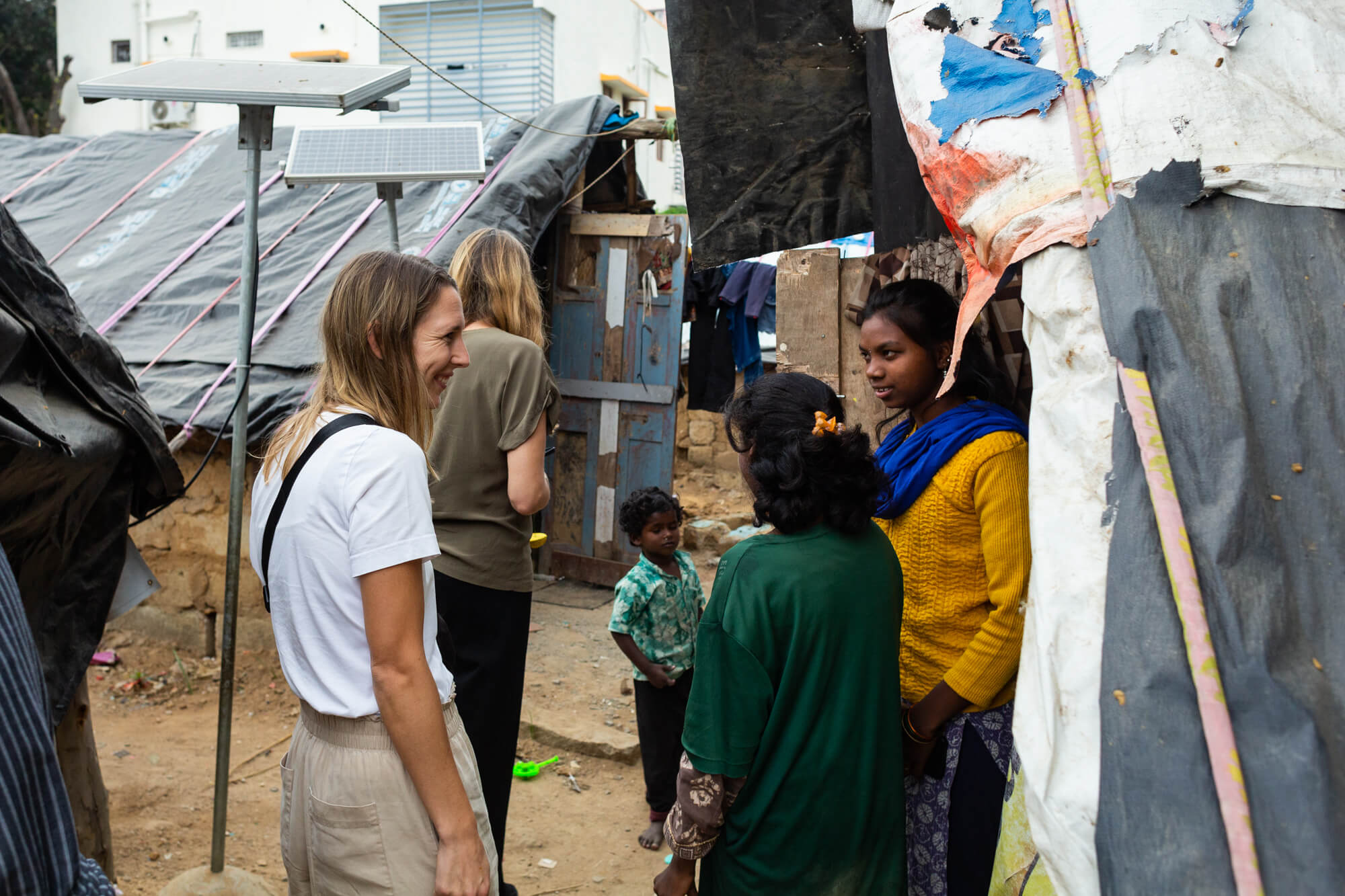
In November, Saamuhika Shakti partners – Sambhav Foundation, Hasiru Dala, Udhyam Learning Foundation, and WaterAid India – along with funder-initiator H&M Foundation and the backbone Sattva Consulting, visited two waste-picking localities in Bengaluru: Vinobha Nagar and Vinayaka Nagar. The visit offered a grounded view into how collective action, when rooted in community leadership, can enable pathways to dignity, safety, and opportunity.
Photos by: Vinod Sebastian
PHOTO STORY
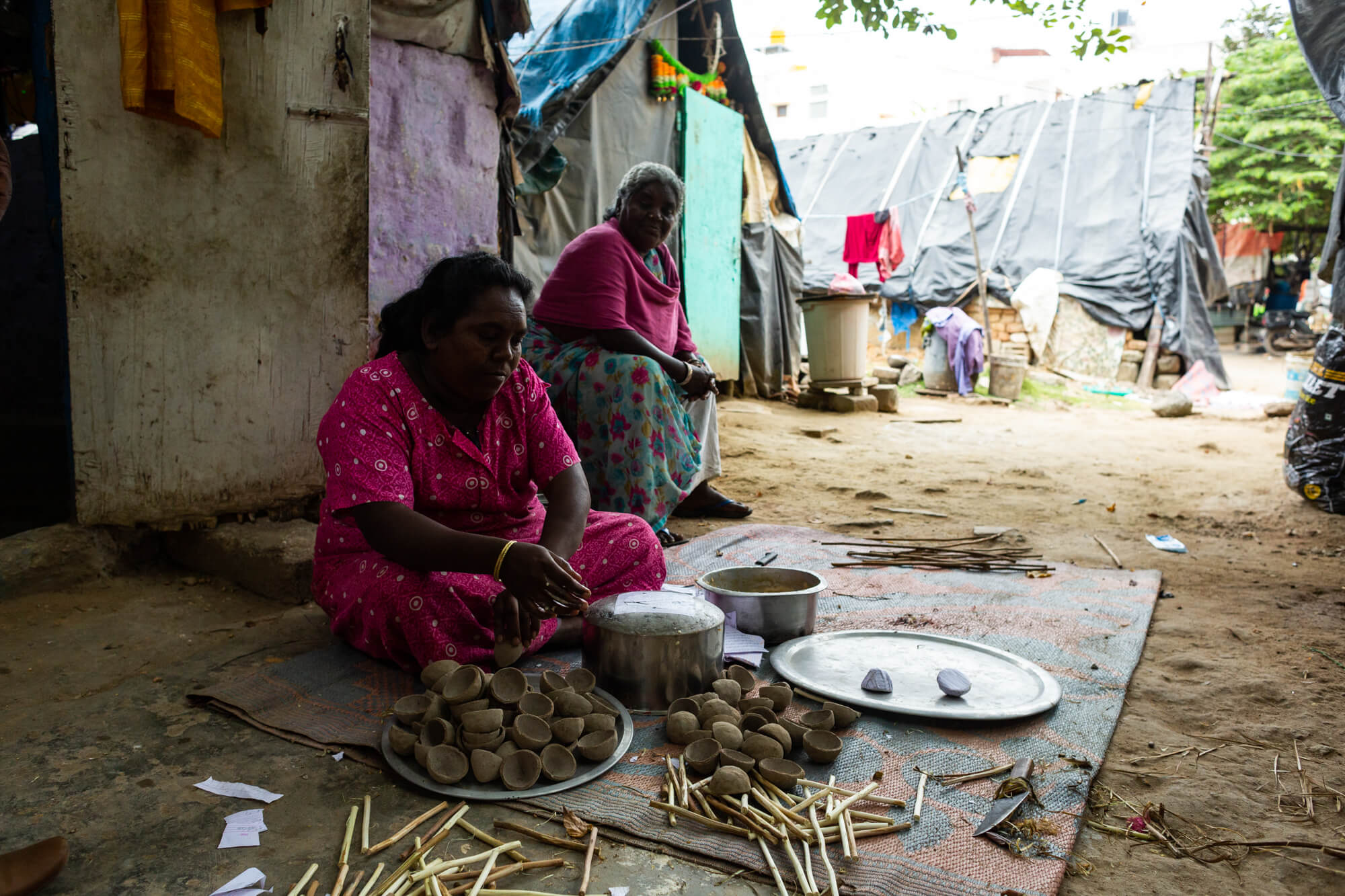
Both localities are more than sites of residence or work; they are spaces of convergence. Here, the community comes together to access essential services—WASH infrastructure, platforms for dialogue with local agencies and leaders, self-help groups that support livelihoods, and avenues for nano-entrepreneurs exploring alternate income options. These spaces reflect a deliberate effort to ensure that waste pickers are not passive recipients of support, but active participants shaping their own futures.
.jpg)
This approach lies at the heart of Saamuhika Shakti—a collective impact initiative where multiple implementing organisations have joined forces to support Bengaluru’s waste-picking community to lead secure and dignified lives.
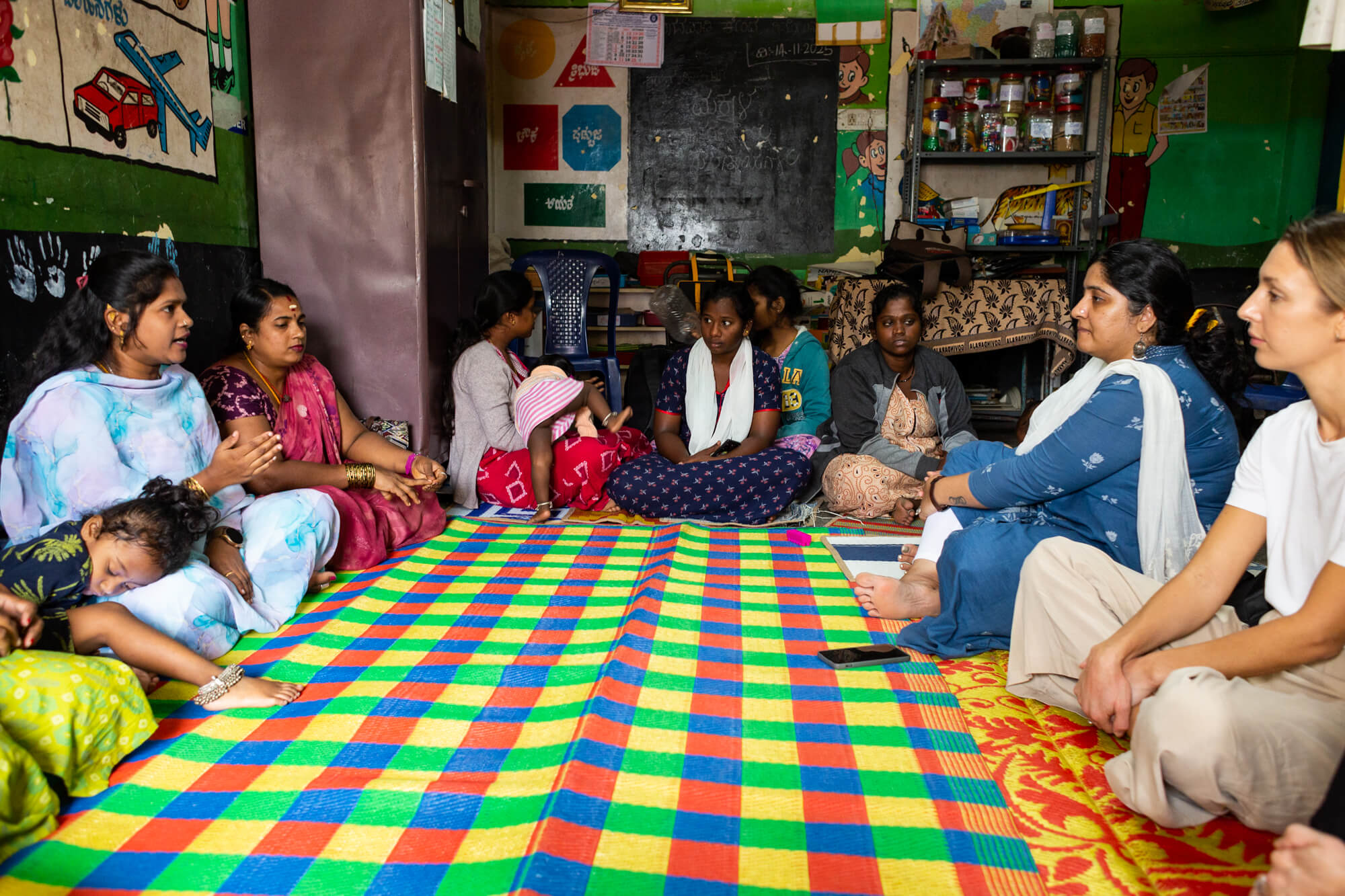
The model recognises that systemic challenges cannot be addressed in silos, and that meaningful change requires coordination, trust, and shared purpose.
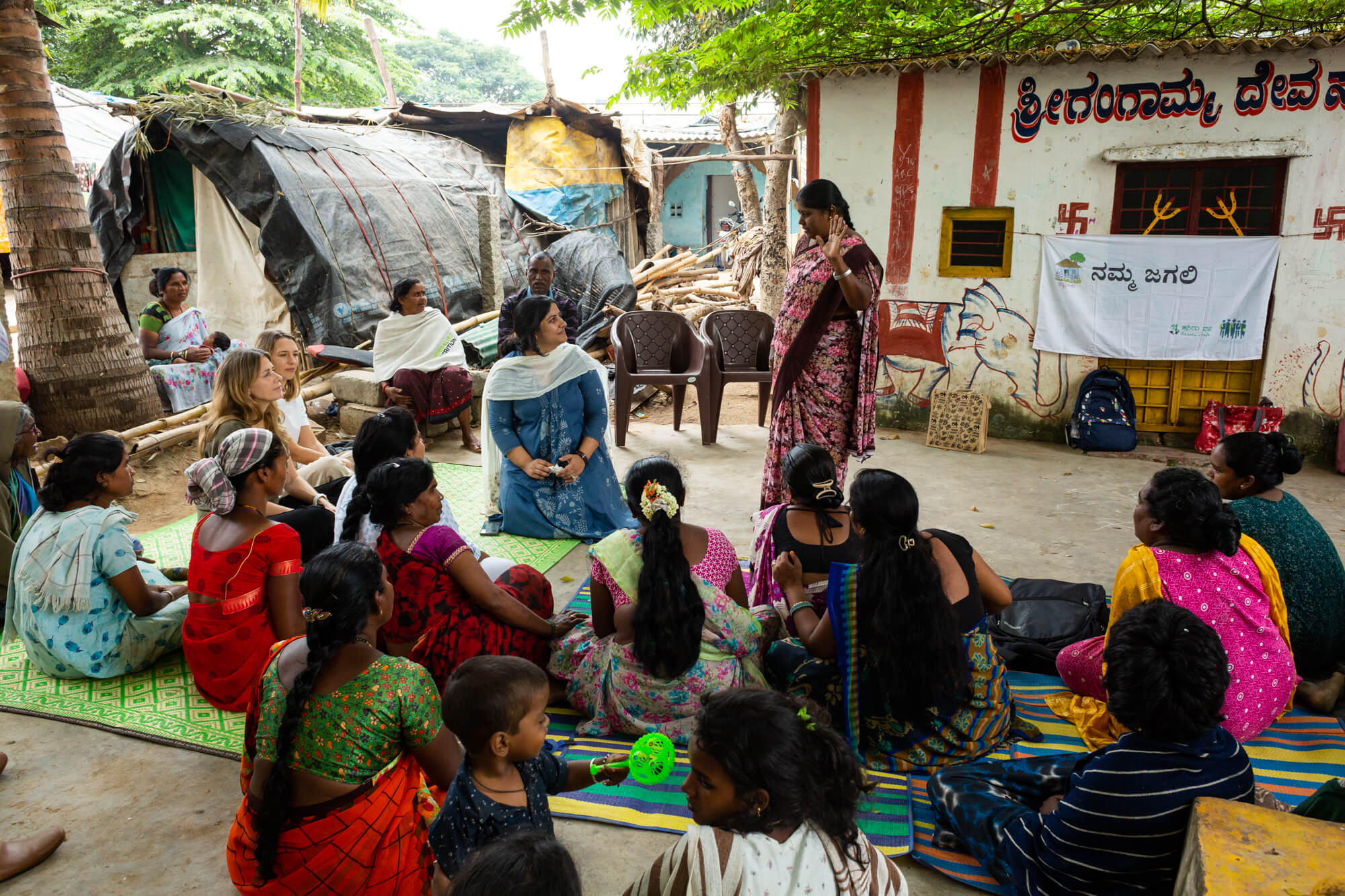
The informal waste-picker community in Bengaluru continues to navigate persistent challenges: low and unstable incomes, gender inequities, bureaucratic hurdles, financial exclusion, and limited access to education. Engaged informally in waste collection and segregation, the struggle for what should be basic—safety, sanitation, recognition, and dignity—is fought daily. Yet, through sustained and collective effort, the community is rising together, anchored by interventions that respond directly to their lived priorities.
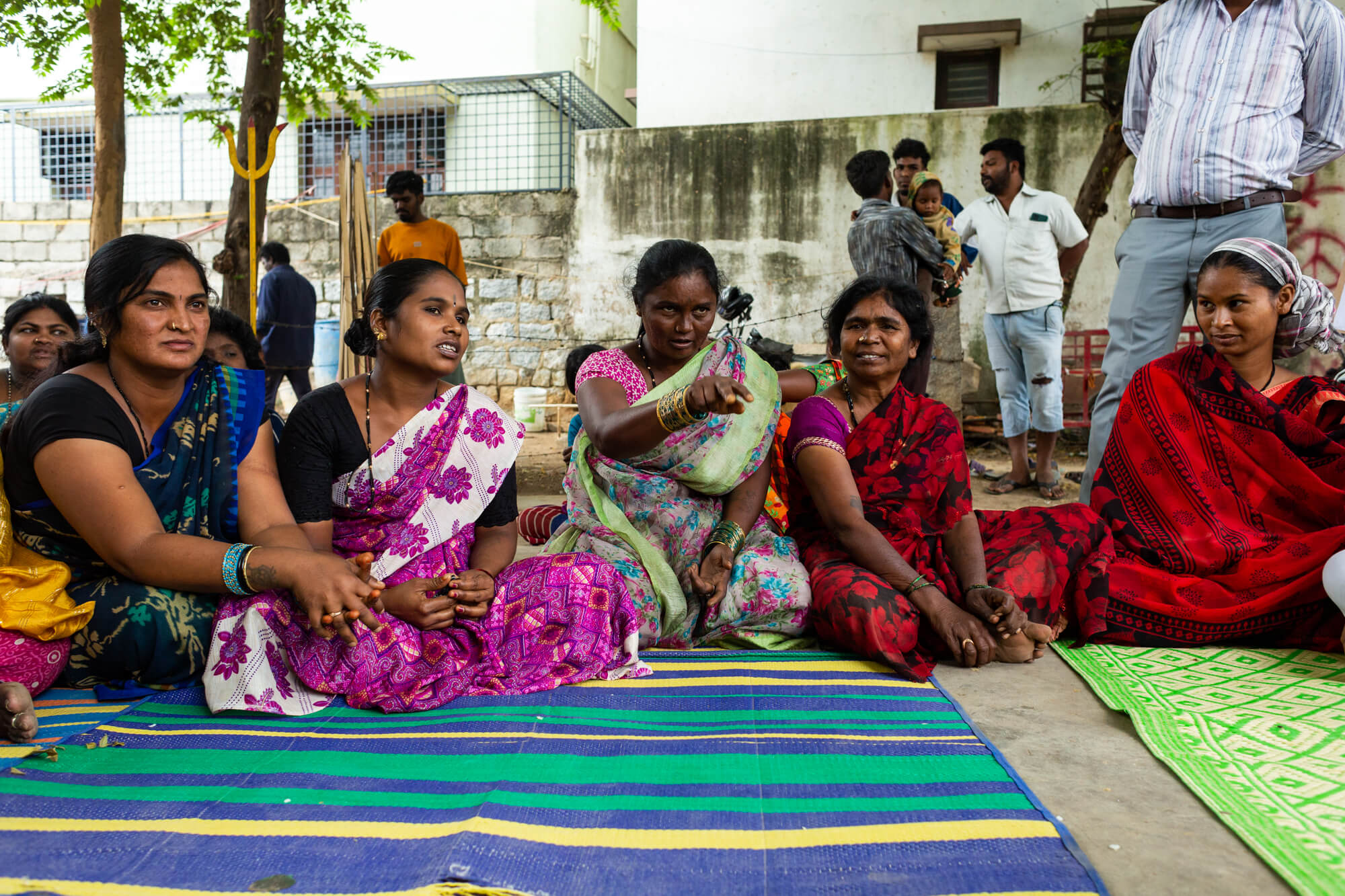
As Saamuhika Shakti marks six years since its inception and commitment to working alongside Bengaluru’s waste pickers, the initiative stands as evidence that collaboration is not only possible, but powerful in showing how trust, when built across organisations and communities, can overcome entrenched barriers and open pathways to dignity and equity. By aligning intent, resources, and action, the collective has demonstrated that when energies are brought together in a synchronised manner, outcomes extend far beyond individual contributions.
It is a reminder of what becomes possible when human will is matched with collective resolve, and when communities are placed firmly at the centre of change.
In November, Saamuhika Shakti partners – Sambhav Foundation, Hasiru Dala, Udhyam Learning Foundation, and WaterAid India – along with funder-initiator H&M Foundation and the backbone Sattva Consulting, visited two waste-picking localities in Bengaluru: Vinobha Nagar and Vinayaka Nagar. The visit offered a grounded view into how collective action, when rooted in community leadership, can enable pathways to dignity, safety, and opportunity.
Photos by: Vinod Sebastian
PHOTO STORY
Both localities are more than sites of residence or work; they are spaces of convergence. Here, the community comes together to access essential services—WASH infrastructure, platforms for dialogue with local agencies and leaders, self-help groups that support livelihoods, and avenues for nano-entrepreneurs exploring alternate income options. These spaces reflect a deliberate effort to ensure that waste pickers are not passive recipients of support, but active participants shaping their own futures.
This approach lies at the heart of Saamuhika Shakti—a collective impact initiative where multiple implementing organisations have joined forces to support Bengaluru’s waste-picking community to lead secure and dignified lives.
The model recognises that systemic challenges cannot be addressed in silos, and that meaningful change requires coordination, trust, and shared purpose.
The informal waste-picker community in Bengaluru continues to navigate persistent challenges: low and unstable incomes, gender inequities, bureaucratic hurdles, financial exclusion, and limited access to education. Engaged informally in waste collection and segregation, the struggle for what should be basic—safety, sanitation, recognition, and dignity—is fought daily. Yet, through sustained and collective effort, the community is rising together, anchored by interventions that respond directly to their lived priorities.
As Saamuhika Shakti marks six years since its inception and commitment to working alongside Bengaluru’s waste pickers, the initiative stands as evidence that collaboration is not only possible, but powerful in showing how trust, when built across organisations and communities, can overcome entrenched barriers and open pathways to dignity and equity. By aligning intent, resources, and action, the collective has demonstrated that when energies are brought together in a synchronised manner, outcomes extend far beyond individual contributions.
It is a reminder of what becomes possible when human will is matched with collective resolve, and when communities are placed firmly at the centre of change.


